Loading...

Loading course details...
Job roles are being prepared for this course. Please check back later.
Share your learning journey and help others make informed decisions
Share your experience with this course
Be the first to share your learning experience!
+91 9278097629
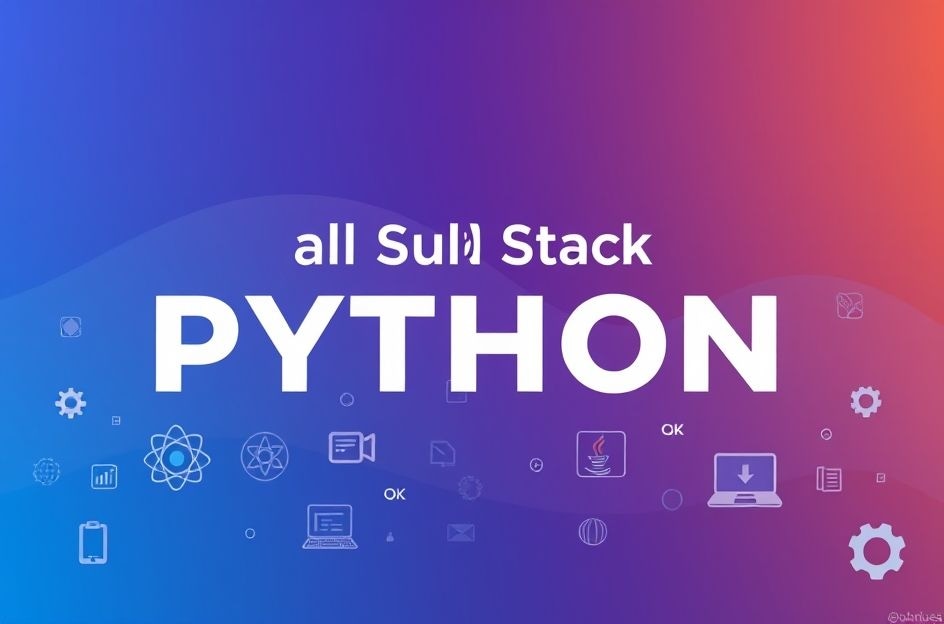
Dive deep into full-stack development with Python, specifically tailored for game development. This course builds upon your existing Python knowledge, equipping you with the skills to create interactive game experiences from front-end interfaces to robust back-end systems. Learn to leverage popular frameworks like Django and Flask for server-side logic, and explore front-end technologies like Pygame and advanced GUI libraries for captivating user interfaces, ultimately enabling you to build and deploy complete game applications.
Educator
Course started on:
Flexible batches designed to fit your lifestyle. Select the timing that works best for you.
Online / Offline • Flexible time
17:33 PM17:33 PM (UTC) • Duration: 2 weeks
₹95.00
only5% OFF • Save ₹5.00
📅 Please select a batch timing to proceed with enrollment

Master the essential skills and industry-leading tools that will prepare you for real-world challenges and career success
Master the skills employers are looking for with our comprehensive, hands-on curriculum
We're happy to help you 24/7
Discover the unique advantages that make our learning platform stand out
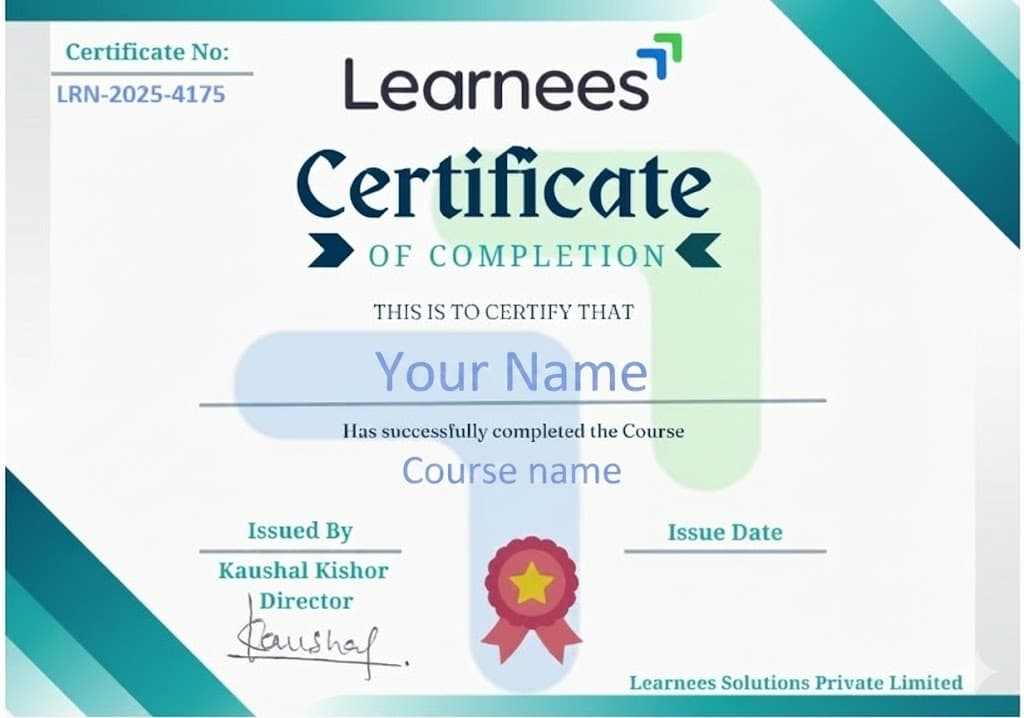
Master Skills & Earn Your Professional Certificate
Industry-recognized certificate by Learnees Institute
Learn from certified trainers with hands-on sessions
Receive career support and placement guidance
Globally recognized certification for career growth
Unlock your potential with Full Stack PYTHON
Essential details: objectives, prerequisites, schedule, and outcomes
Develop and deploy a RESTful API using Flask or Django REST framework for game data management. Implement user authentication and authorization systems for secure game access and account management. Design and build interactive game front-ends using Pygame, Kivy, or similar GUI libraries, incorporating advanced UI/UX principles. Integrate back-end services with game front-ends to create a seamless and responsive user experience. Utilize relational databases (e.g., PostgreSQL, MySQL) to store and retrieve game data efficiently. Apply design patterns (e.g., MVC, Observer) to create maintainable and scalable game architectures. Implement real-time communication features (e.g., WebSockets) for multiplayer game functionality. Deploy a full-stack game application to a cloud platform (e.g., AWS, Heroku, Google Cloud). Write unit and integration tests to ensure the quality and reliability of game code. Optimize game performance for smooth gameplay and scalability.
Our expert team is ready to assist you with any queries